Blog
Technical deep dives, product updates, and practical engineering insights for Data + AI teams
Free Access Continues | GLM 5.3 and Kimi K3 Open for Another 6 Hours This Saturday
MOI 5.0 is in public beta. This Saturday, Genesis offers six more hours of free GLM 5.3 and Kimi K3 access with no token cap, plus 70% off prepaid credits.
Free Access Continues | GLM 5.3 and Kimi K3 Open for Another 6 Hours This Saturday
MOI 5.0 Public Beta Is Now Live | GLM 5.3 & Kimi K3 Free for 6 Hours Tomorrow
MOI 5.0 Public Beta Is Now Live | GLM 5.3 & Kimi K3 Free for 6 Hours Tomorrow
MOI 5.0 public beta is now live for all users. On November 5, Genesis offers GLM 5.3 and Kimi K3 free for six hours, and four perks — activation, feedback, tasks, and referrals — remain open.
More Context, Smarter Agents?
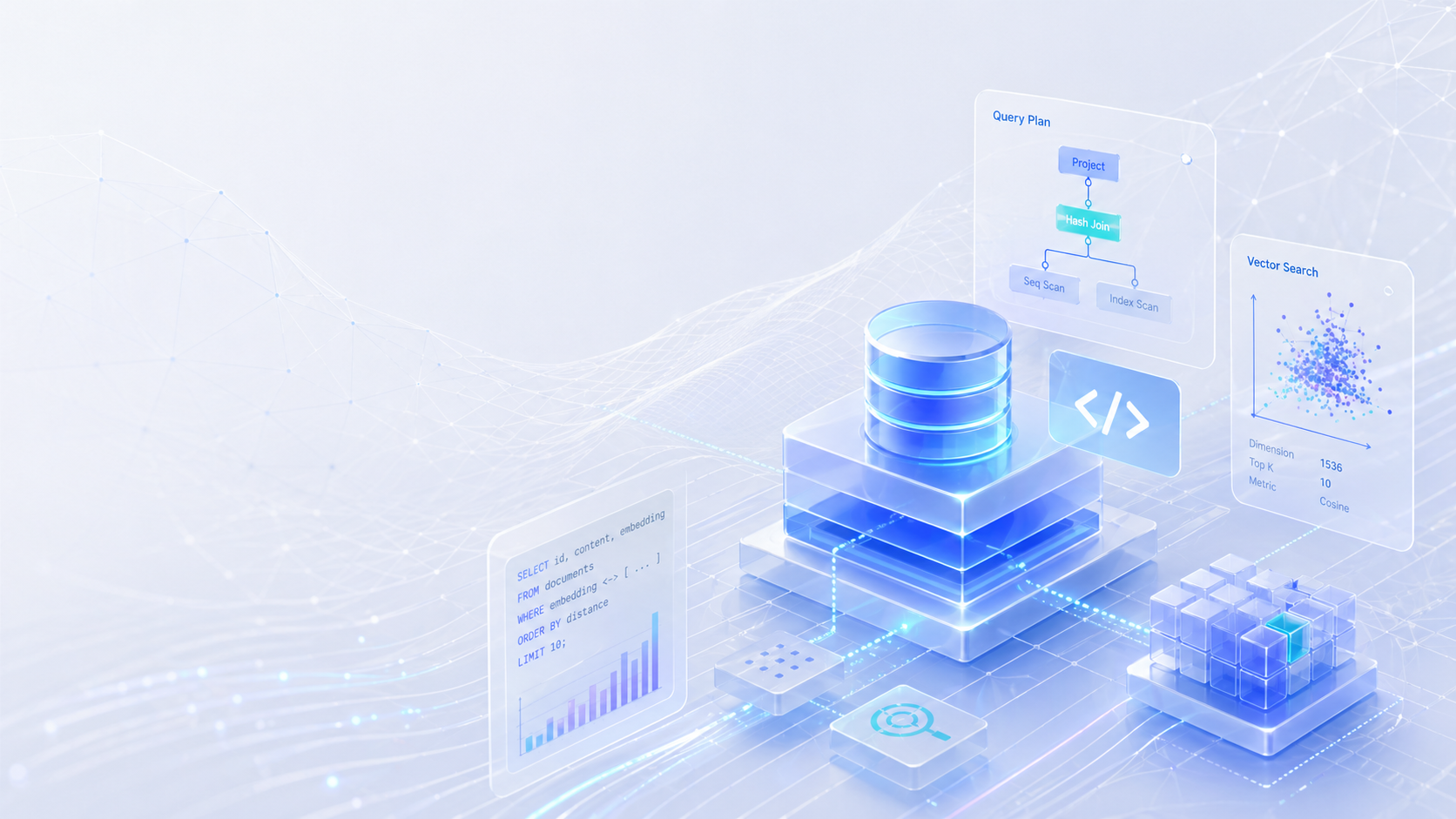
More Context, Smarter Agents?
The hidden systems problem behind long-context AI: giving an agent more material is easy; getting it the right material at the right moment is the hard part.
MatrixOne Intelligence launches developer mode: Astra lets you debug agents like software
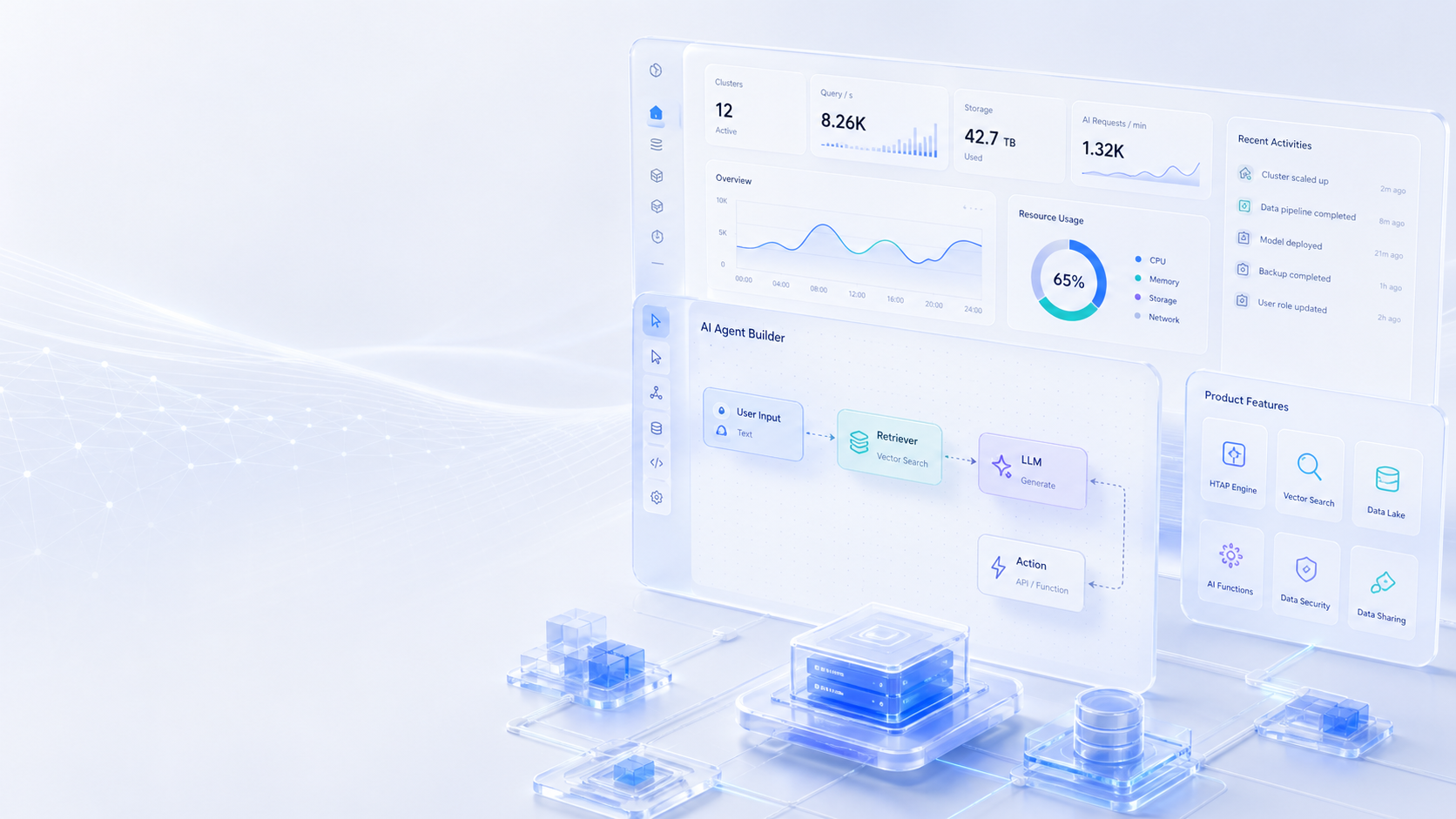
MatrixOne Intelligence launches developer mode: Astra lets you debug agents like software
MOI developer mode is live!From a local terminal, developers can ask an agent to query data, import and export files, run existing workflows, create knowledge bases, and add content to them on MOI.
Making Every Token More Valuable: MatrixOrigin Launches Genesis Token Service
Making Every Token More Valuable: MatrixOrigin Launches Genesis Token Service
MatrixOrigin officially launches Genesis Token Service, an integral part of MatrixOne Intelligence 5.0. Scenario-aware, data-aware, and cost-aware, Genesis optimizes token efficiency from applications to infrastructure, making model services more efficient, economical, and transparent.
Join the MOI 5.0 Second-Round Public Beta — Unlock More Benefits
Join the MOI 5.0 Second-Round Public Beta — Unlock More Benefits
MatrixOne Intelligence 5.0 is officially opening its second round of public beta, featuring new direct document and email ingestion capabilities — come try it out with your real business needs!
When Intelligence Becomes a Commodity, How Can Enterprises Build Their Own Advantage?
When Intelligence Becomes a Commodity, How Can Enterprises Build Their Own Advantage?
As models, compute, and tokens become easier to acquire, what can enterprises truly own and compound? The answer begins with proprietary data—and how it is connected to real business execution. From data and tokens to business-system reinvention: rethinking the long-term value of enterprise AI.

Enterprise AI Infrastructure White Paper 2026
Enterprise AI Infrastructure White Paper 2026
When AI moves from generating answers to carrying business tasks, the hard problem is state, not the model. This white paper presents AI State lifecycle management, the six components of the MOI platform, and measured results from four customer scenarios.
7.38 Billion Commits. What Happens When Agents Start Changing Data?
7.38 Billion Commits. What Happens When Agents Start Changing Data?
GitHub is rebuilding Git for agent-scale development. Data infrastructure may be next.
MatrixOrigin Hosts AI Leadership Dinner in Silicon Valley: From Compute to Intelligence to Productivity
MatrixOrigin Hosts AI Leadership Dinner in Silicon Valley: From Compute to Intelligence to Productivity
MatrixOrigin hosted an AI Leadership Dinner in Silicon Valley, welcoming a delegation of Chinese AI industry companies visiting NVIDIA headquarters and bringing industry partners together to explore enterprise AI adoption and collaboration.
Agents Learn. Bad Memory Scales Too.
Agents Learn. Bad Memory Scales Too.
Claude Code Projects and procedural memory are pushing agent experience closer to execution. This article examines why shared, writable memory needs versioning, provenance, conflict handling, and rollback.
The Agent Found the Right Answer. JEV Rejected It.
The Agent Found the Right Answer. JEV Rejected It.
This article uses an Agent Memory experiment to examine the accuracy, cost, and failure modes of a JEV judgment layer, and explores when adding a helper model to an Agent is actually worthwhile.
From App + Database to Agent + Context: Rethinking the Architecture of Enterprise AI Infrastructure
From App + Database to Agent + Context: Rethinking the Architecture of Enterprise AI Infrastructure
Enterprise AI must connect two worlds: deterministic software that executes reliably and probabilistic agents that reason, use context and learn from feedback.